Editor’s note: Below is an edited transcript of the mainstage remarks at GM Forward 2026, adapted to include more of what was announced on stage.
At General Motors, intelligence is driving a fundamental transformation of our vehicles, reshaping not only what they can do, but how we build them. We are doing this at scale, for a wide range of customers, while making premium experiences more accessible to everyone.
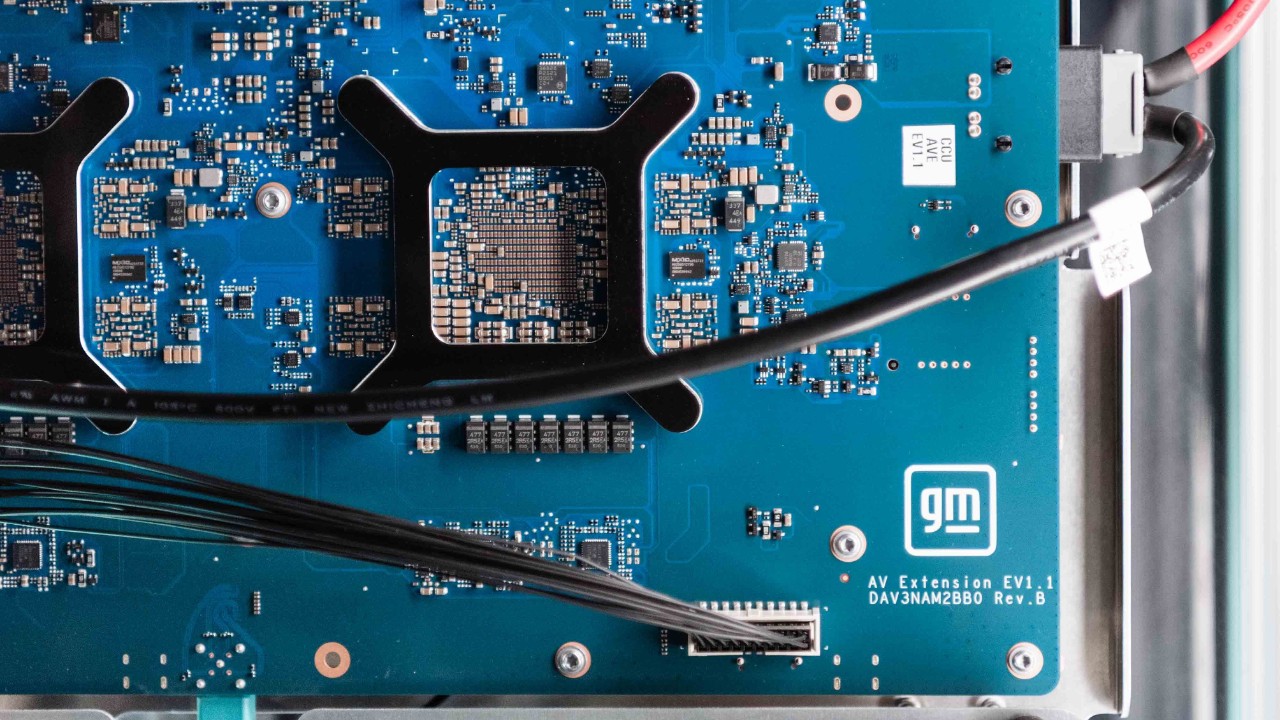
Underpinning these efforts is a deeply integrated AI strategy. By combining shared compute platforms, proprietary data pipelines, and specialized models, our goal is to bring better, safer, and more capable products to our customers faster than before.
At GM’s scale, this work compounds across millions of vehicles and a global network of manufacturing facilities.
Enterprise AI that halves development times
GM is working to significantly reduce the traditional four-to-five-year vehicle development timeline, with a goal of cutting it in half. Through advancements in enterprise AI and virtualization, the company is developing a new operating approach for vehicle development.
By bringing together design, engineering, and manufacturing from day one on a unified digital thread, we can move from sketch to production with unprecedented speed and efficiency. This concurrent engineering model allows us to innovate faster, improve continuously, and scale new technologies across our lineup with incredible agility.
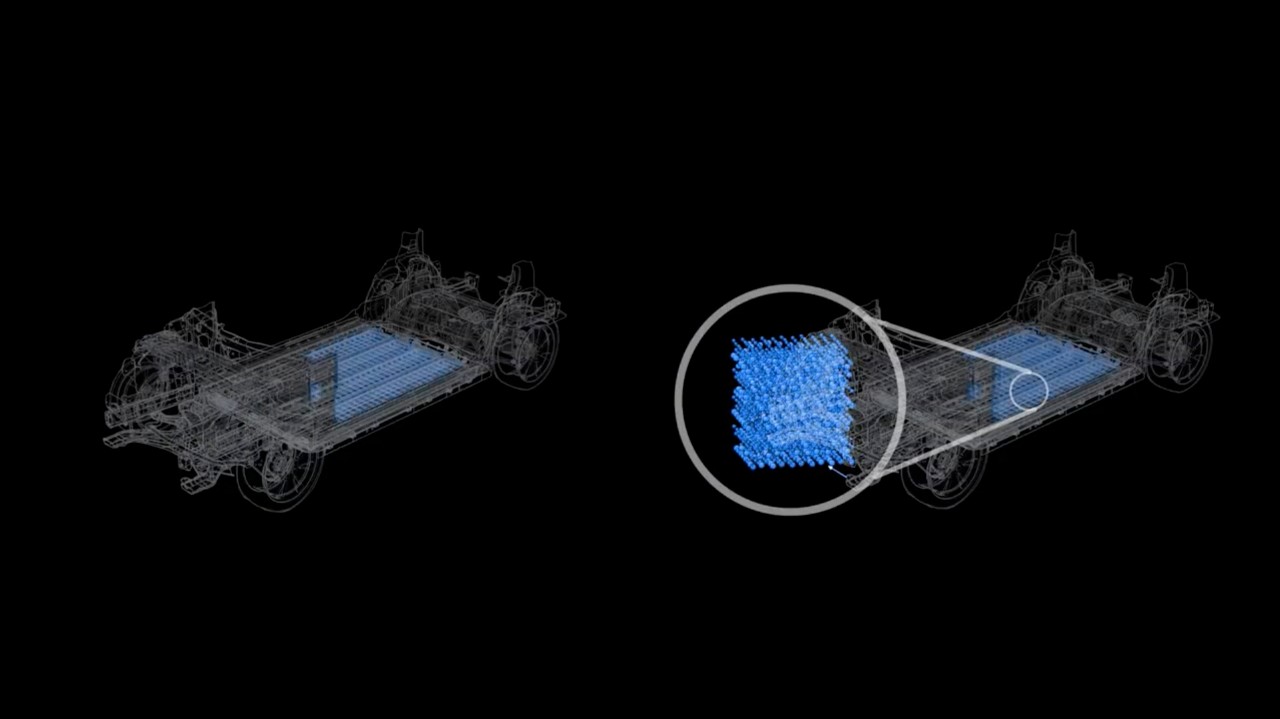
For example, with lithium manganese rich battery chemistry, or LMR, we tested more than 300,000 battery designs virtually before building a single physical prototype, enabling the team to move from its first LMR battery pack concept to formal program approval in just one month.